
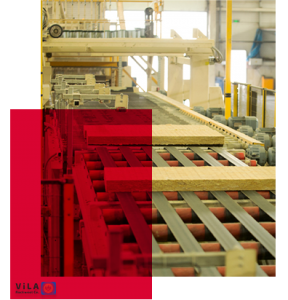





Villa Rock Wool Thermal and Cold Insulation Manufacturing Group
Leading manufacturer of thermal and cold insulation products, including rock wool, polyurethane, polyisocyanurate, and insulation accessories.
Vila Rock Wool
Nowadays, insulation is an undeniable necessity for critical industries such as refineries, power plants, petrochemical complexes, automotive manufacturing, and construction. Vila Rock Wool, backed by years of expertise and a skilled workforce, is proud to produce high-quality stone wool insulation to support national industrial self-sufficiency. Our commitment to excellence is proven by our compliance with international management systems, including: Quality Management: ISO 9001:2015 & ISO 9001:2020, Environmental Management: ISO 14001:2015, Oil, Gas & Petrochemical Sector: ISO/TS 29001:2010, Customer Satisfaction: ISO 10002:2018, Thermal Insulation Standards: ISO 12241:2008, HSE & Safety: IMS, HSE-MS, ISO 14000:2018, ISO 45001:2018.
Advantages of Insulation






Our Products
Thermal and acoustic insulations serve 4 main purposes:
Hot Insulation
Cold Insulation
Very High-Temperature Insulation
Accessories & Jacketing
Click the links below to download our catalogs.
Latest Projects
Vila Rock Wool Portfolio based on Global Standards.
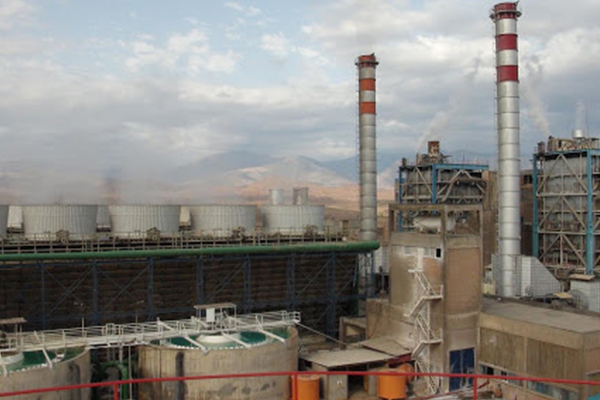
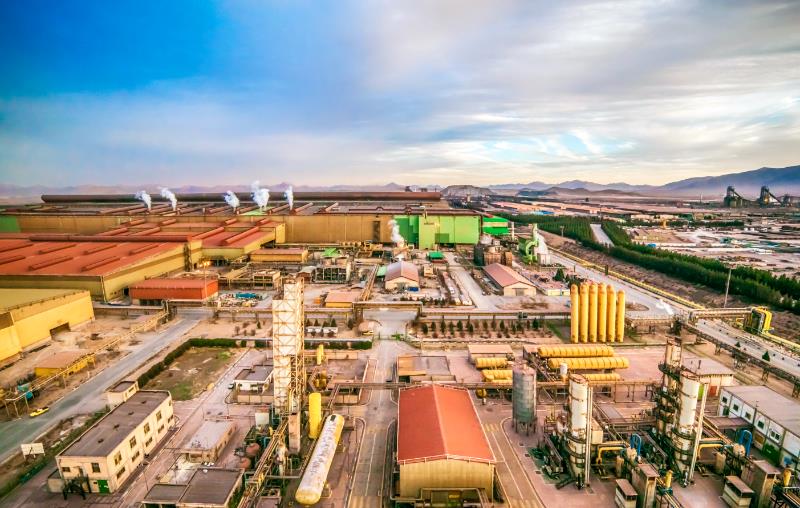
loshan power plate
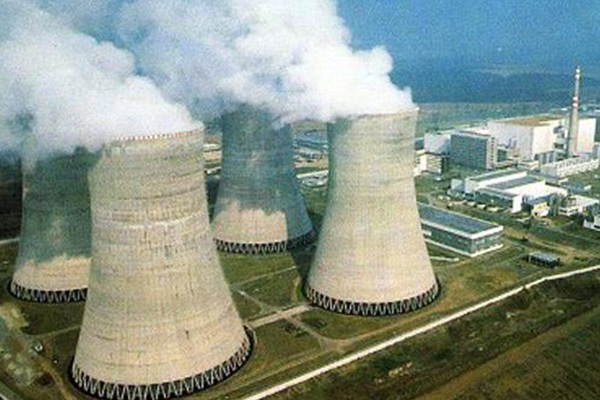
shahid montazeri power plate
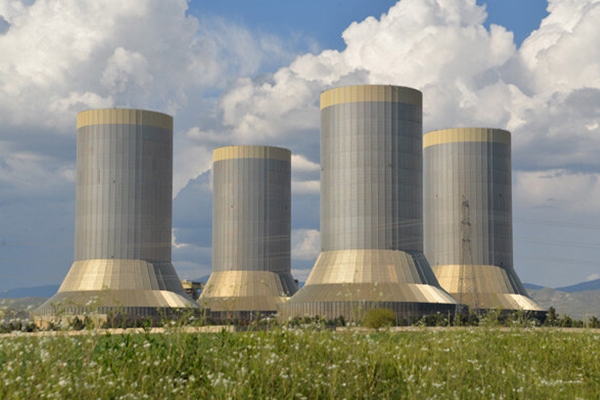
shahid rajaee power plate
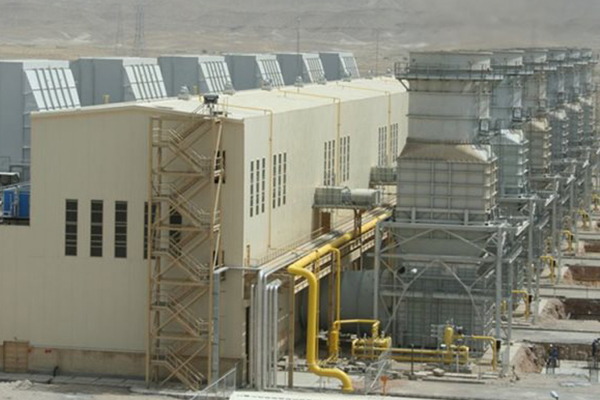
Jahrom power plate
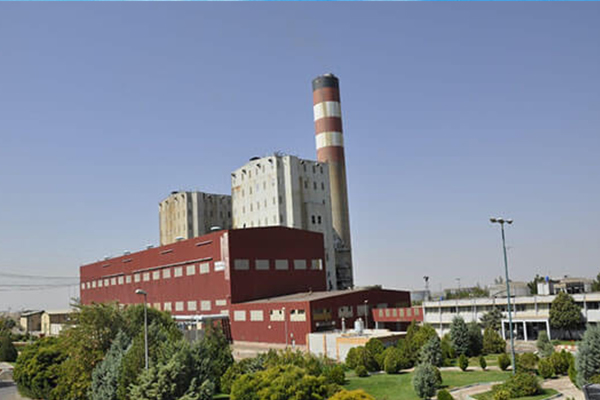
Tabriz power plate
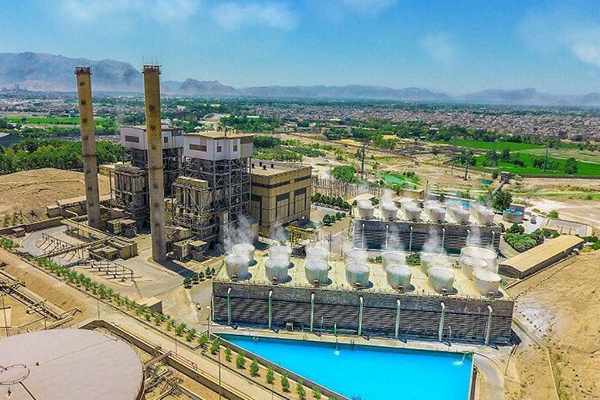
Eslamabad power plate
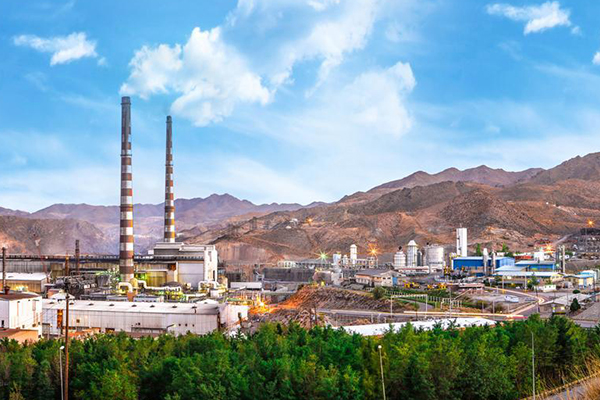
sarcheshmeh copper
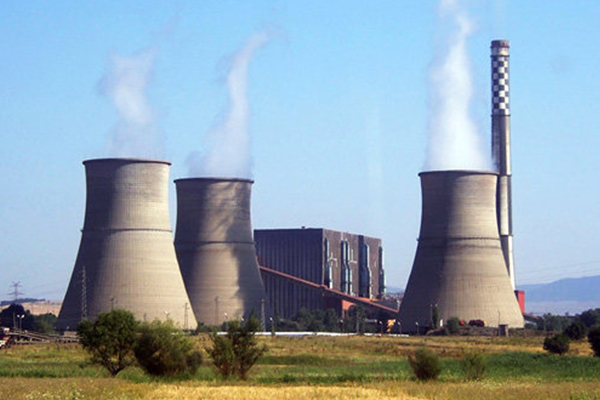
azarbaijan power management
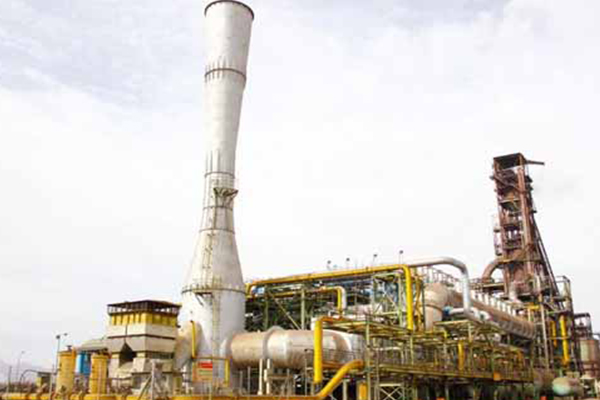
ghadir iranian steel
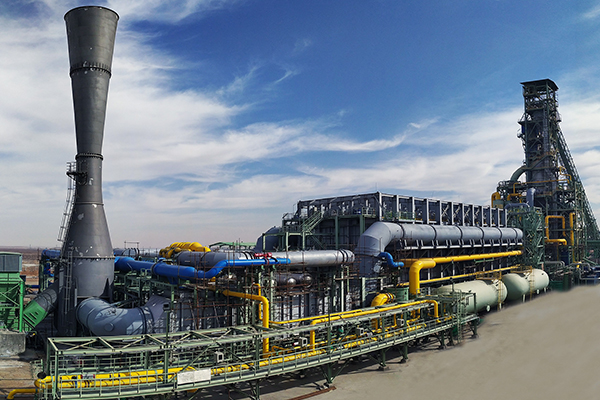
arfa steel
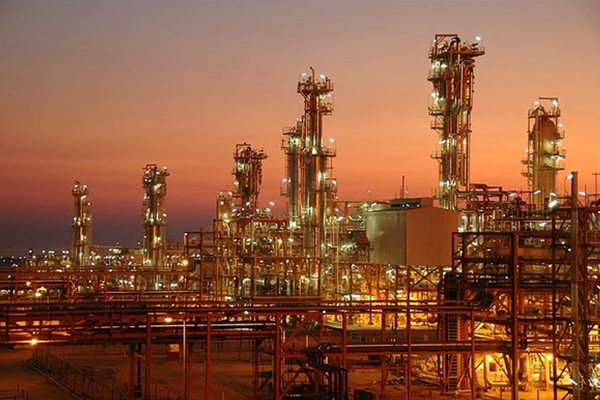
south pars phases 17-18
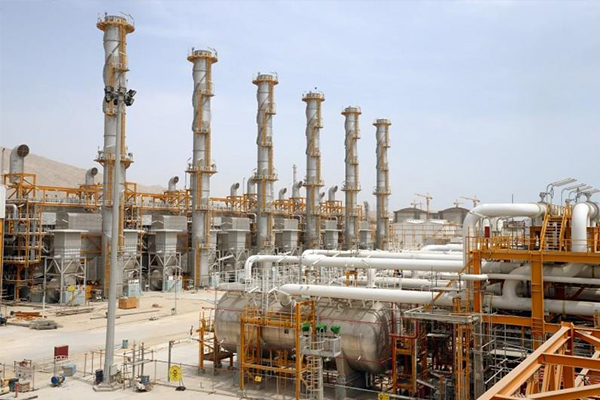
south pars phases 12
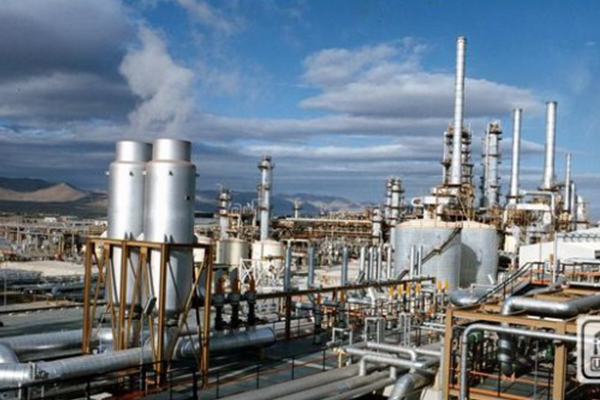
bahran cement
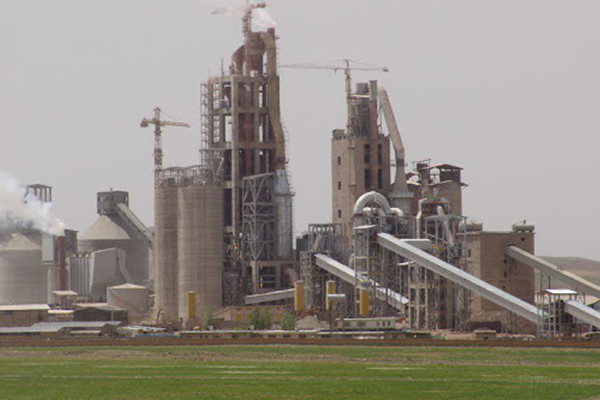
hegmatan cement
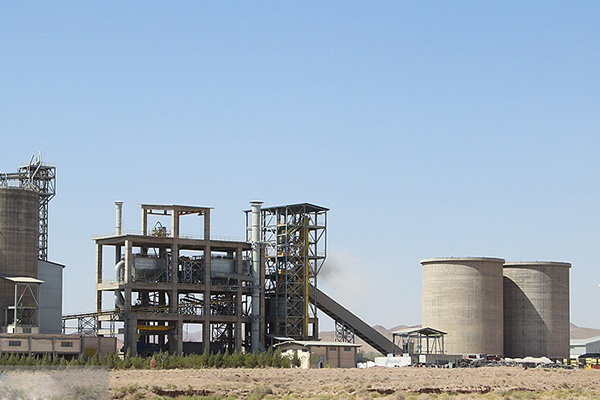
majd khaf cement
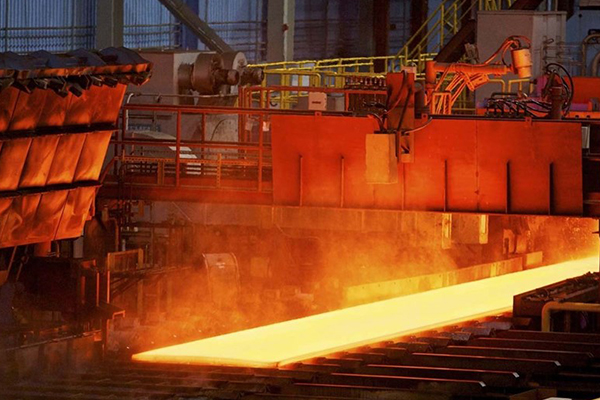
esfahan zobahan
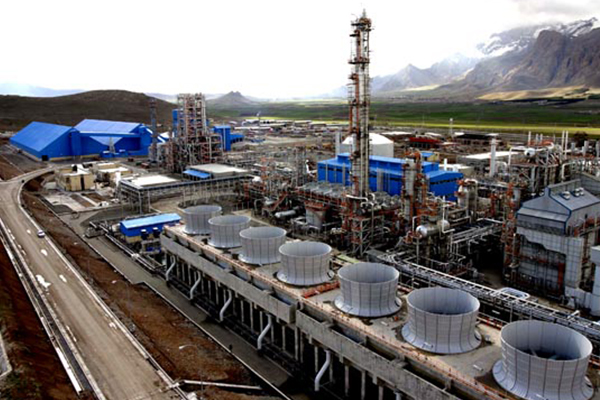
kermanshah polymer
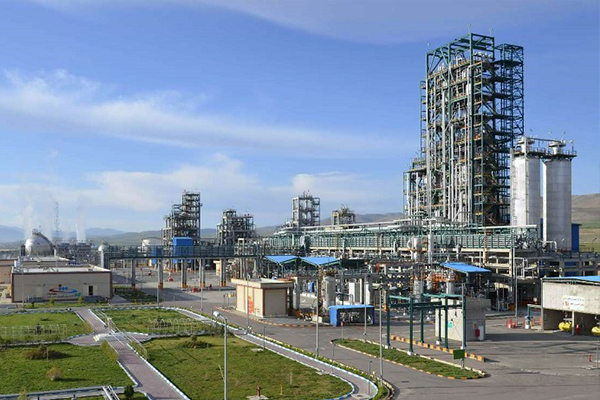
mahabad petrochemical
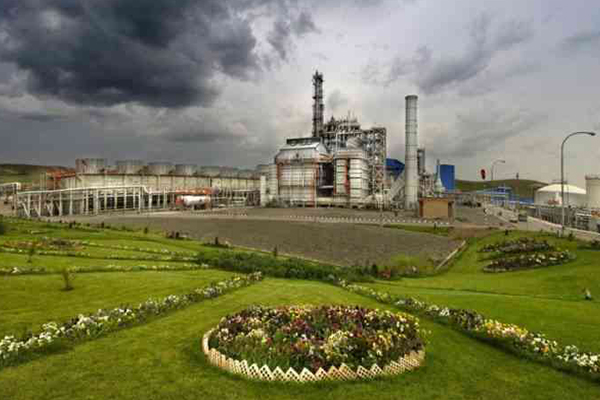
kermanshah petrochemical
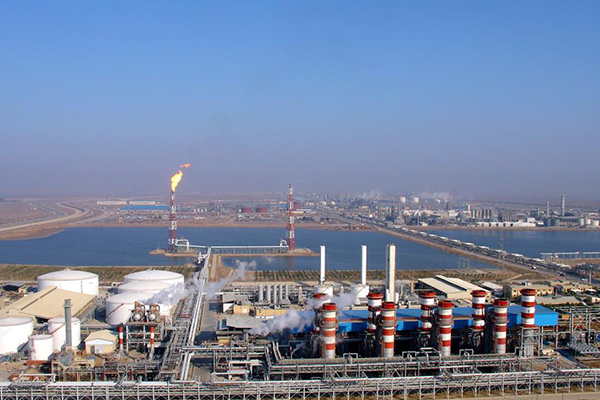
fajr petrochemical
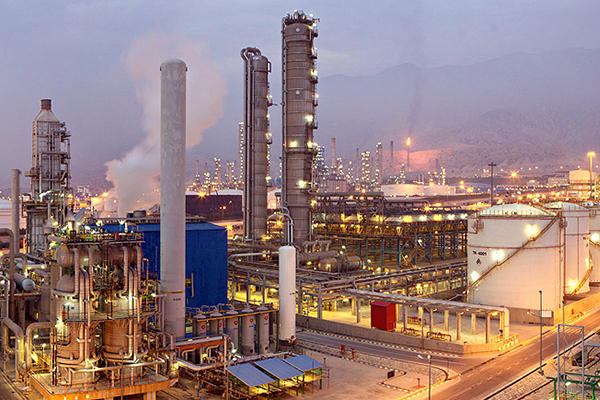
zagros petrochemical
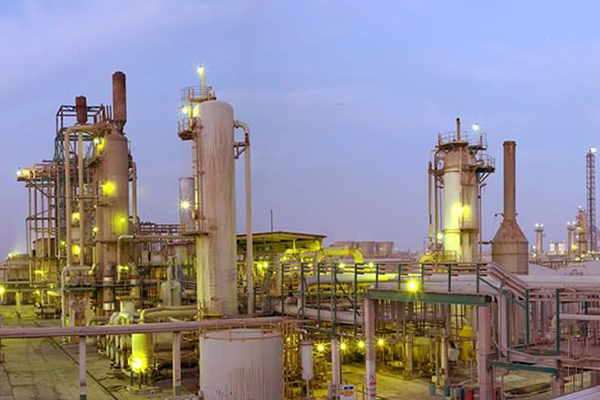
Razi petrochemical
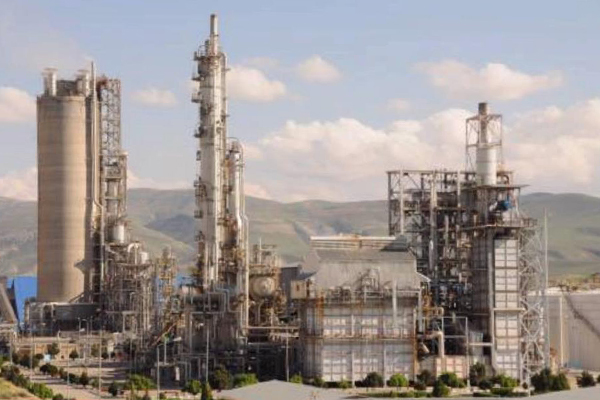
khorasan petrochemical co
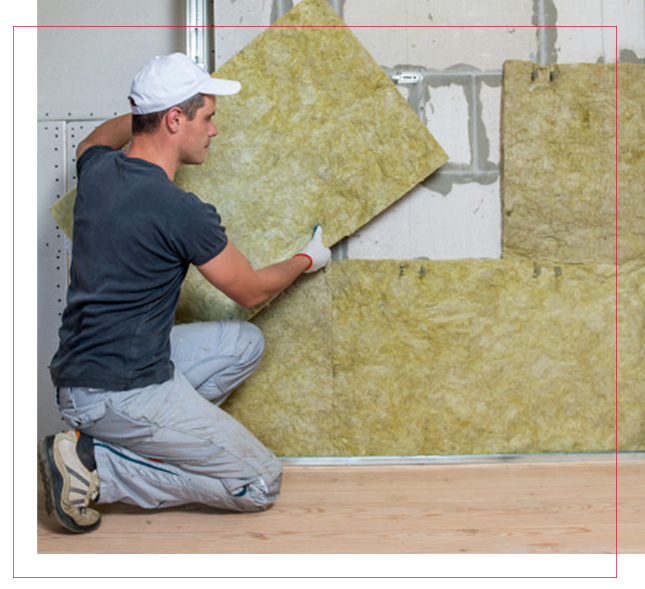
How much insulation is necessary?
According to the law, all construction activities in the country must comply with the National Building Regulations (approved in 1991). Specifically, Topic 19 of these regulations, which focuses on energy conservation, became mandatory in July 2002. Based on these regulations, the thermal resistance (R-value) of the building’s external components must not fall below a specific limit. “External components” refer to walls and roofs that are in contact with the indoor environment on one side and the open air on the other. Internal partitions or inter-floor ceilings are excluded. To determine the required thermal resistance, buildings are classified into four groups based on: Geographical location, Type of usage (Residential/Industrial), City size, Building floor area.

