
Vila Rock Wool Isotherm raw wool insulation consists of loose, raw rock wool fibers produced without any compression process. With high flexibility and an open fibrous structure, this product is designed for insulating irregular spaces, wall cavities, curved surfaces, and inaccessible locations in the construction and industrial sectors.
Vila Rock Wool Isotherm Raw Wool Insulation: Loose Rock Wool Fibers for Insulating Irregular and Complex Spaces
The Ideal Solution for Filling Cavities, Curved Surfaces, and Inaccessible Spaces – Fire Resistant up to 750°C
Technical Product Introduction:
Vila Rock Wool Isotherm raw wool insulation is manufactured from basalt rock fibers with the lowest amount of binder. The loose and expandable structure of this product allows for the complete filling of spaces. The intertwined fibers create a dense and uniform network that prevents settling and compaction over time.
Key Advantages of Vila Rock Wool Isotherm Raw Wool Insulation:
-
Outstanding flexibility: capable of completely filling irregular and complex spaces
-
Efficient thermal insulation: reduces energy loss and maintains ambient temperature
-
Effective acoustic insulation: absorbs sound waves and reduces sound transmission
-
Fire resistant: non-combustible (Class A1) withstanding temperatures up to 750°C
-
Quick and easy installation: can be blown or hand-filled without the need for special tools
-
Breathability: allows moisture exchange and prevents the formation of fungi and mold
-
Long service life: maintains structure and performance for a long period of time
Main Applications:
-
Building construction: filling wall cavities, false ceilings, spaces between double-leaf walls
-
Automotive industry: acoustic and thermal insulation in vehicle bodies
-
Shipbuilding industry: insulation of ship hulls and below decks
-
HVAC systems: filling spaces around air ducts
-
Petrochemical industries: insulation of tanks and equipment with complex shapes
-
Cinema halls and studios: acoustic insulation of walls and ceilings
Unique Features of Vila Rock Wool:
Vila Rock Wool, using high-quality basalt rock and advanced technology, manufactures Isotherm raw wool insulation with complete uniformity in fiber structure. Strict quality control at various stages of production guarantees the optimal performance of the product in various applications.
Additional Details on Rock Wool
Vila Rock Wool Company is one of the largest manufacturers of rock wool acoustic and thermal insulation in Iran, and has been able to achieve the highest quality in producing various types of rock wool acoustic and thermal insulation with the help of up-to-date technology and advanced equipment. The use of new rock wool production methods and suitable, competitive pricing are special advantages of Vila Rock Wool Company products. Isotherm, or bulk rock wool, is the first product of basalt rock and has a temperature range of up to 800°C. Isotherm is supplied to the market in bulk after molten material exits the furnace. In fact, bulk raw wool (Isotherm) is taken directly from the production line and is free of any binding agent, and is supplied in roll, bulk, and carded forms. This product is called secondary raw wool. Initially, it is free of chemicals and resin, but depending on its application, these are added if needed.
| Standards | ASTM C764 |
| Fire performance | ASTM E84, E119 |
| Operating temperature (high-temperature insulation) | ASTM C411 |
| Dimensional stability | ASTM C356 |
| Moisture resistance | ASTM C1104 |
| Corrosion resistance | ASTM C795 |
| Sound wave performance | ASTM C423 |
| Compressive resistance | ASTM C165 |
| Flexibility | ASTM C1101 |
What is Isotherm Raw Rock Wool?
What is rock wool and where is it used? Bulk rock wool thermal insulation, also called Isotherm raw rock wool, is taken directly from the production line after raw materials are converted into rock wool fibers.
One of the groups of thermal, moisture, and acoustic insulation is rock wool, which is known in English as Rock Wool or Mineral Wool. This insulation can withstand temperatures of 750°C. Basalt rock, which belongs to the igneous rock family and is produced by volcanic activity, is considered the raw material for rock wool.
The consumer may ask how rock wool is produced.
Basalt rock is converted into a silicate melt at a temperature above 1000°C.
The melt is then formed into fibrous strands with a diameter of 6 to 8 microns in a fiberizing machine.
The thin strands are then placed in an oven for curing at a temperature of 350°C.
They are then pressed using heavy rollers to be compacted.
The wools that come out of the furnace in a scattered manner are called carded rock wool or bulk raw rock wool.
Bulk rock wool thermal and acoustic insulation is used by blowing or pouring into the desired space. In places where a large amount of bulk rock wool thermal and acoustic insulation is needed, a mechanical blowing machine is used for insulation.
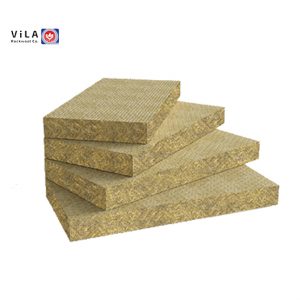
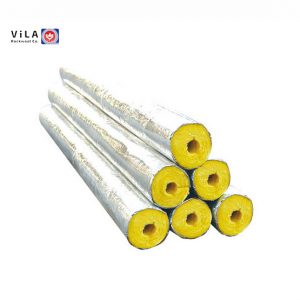
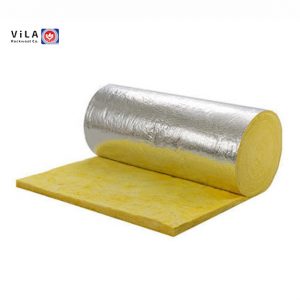
Isotherm raw rock wool is used as a raw material for the production of other types of rock wool, including rock wool board insulation, rock wool blanket insulation, rock wool pipe insulation, and quilted insulation.
| Thermal Conductivity Coefficient W/m·K | Mean Temperature °C | |||
| Density kg/m³ | ||||
| 120 | 100 | 80 | 50 | |
| 0.046 | 0.047 | 0.047 | 0.048 | 50 |
| 0.048 | 0.051 | 0.053 | 0.056 | 100 |
| 0.054 | 0.060 | 0.063 | 0.068 | 150 |
| 0.063 | 0.070 | 0.074 | 0.080 | 200 |
| 0.074 | 0.081 | 0.085 | 0.091 | 250 |
| 0.087 | 0.093 | 0.097 | 0.102 | 300 |
| 0.110 | 0.118 | 0.122 | 0.128 | 400 |
Applications of Isotherm Bulk Raw Rock Wool:
Bulk raw wool is a thermal insulator and acoustic insulator. Bulk raw rock wool is used in insulation between two walls of a building, chimney walls, industrial exhausts, and filling spaces without regular geometric shapes. Carded raw rock wool is used in the production of brake pads and clutch plates, lightweight concretes, moisture-proofing membranes, refrigerator walls, and bakery ovens. Another application is insulating wooden doors; for this purpose, it is sufficient to drill a part of the top of the door and place bulk rock wool insulation inside the door. The effective application temperature range of Isotherm exceeds 750°C, and its melting point is around 1300°C.
Uses of Bulk Raw Rock Wool:
- Irregular structures and industrial equipment
- Insulation between two building wall leaves
- Cold storage
- Furnaces
- Tunnels
- Vibrating structures or those exposed to vibrations
- Ship and aircraft industries
- Confectionery ovens and bakery ovens
Features of Bulk Rock Wool:
- Excellent thermal and acoustic insulation (it should be noted that thermal conductivity depends on the density of the rock wool used).
- Bulk rock wool is non-combustible and prevents the spread of fire. Therefore, bulk raw wool is used as a fire spread preventer.
- High sound absorption coefficient
- Operating temperature: -270 to 800°C
- Resistant to various chemical and biological contamination
- No emission of toxic gases
- Excellent physical and chemical stability
- Very reasonable cost
- Easy and quick installation
- Easy transportation and storage
- No need for asbestos or any chemical additives
- Non-decaying material that prevents the entry of pests
- Moisture repellent
- Environmentally friendly
It should be noted that this rock wool is very cost-effective and does not burn, but it may melt at temperatures above 1300°C. However, due to its heat tolerance, it is considered a very good thermal insulator. This product is also used as fireproof insulation. Rock wool delays fire and provides better conditions for firefighting assistance. Also, no smoke is emitted from rock wool insulation during a fire.
- description
-
Vila Rock Wool Isotherm Raw Wool Insulation: Loose Rock Wool Fibers for Insulating Irregular and Complex Spaces
The Ideal Solution for Filling Cavities, Curved Surfaces, and Inaccessible Spaces – Fire Resistant up to 750°C
Technical Product Introduction:
Vila Rock Wool Isotherm raw wool insulation is manufactured from basalt rock fibers with the lowest amount of binder. The loose and expandable structure of this product allows for the complete filling of spaces. The intertwined fibers create a dense and uniform network that prevents settling and compaction over time.
Key Advantages of Vila Rock Wool Isotherm Raw Wool Insulation:
-
Outstanding flexibility: capable of completely filling irregular and complex spaces
-
Efficient thermal insulation: reduces energy loss and maintains ambient temperature
-
Effective acoustic insulation: absorbs sound waves and reduces sound transmission
-
Fire resistant: non-combustible (Class A1) withstanding temperatures up to 750°C
-
Quick and easy installation: can be blown or hand-filled without the need for special tools
-
Breathability: allows moisture exchange and prevents the formation of fungi and mold
-
Long service life: maintains structure and performance for a long period of time
Main Applications:
-
Building construction: filling wall cavities, false ceilings, spaces between double-leaf walls
-
Automotive industry: acoustic and thermal insulation in vehicle bodies
-
Shipbuilding industry: insulation of ship hulls and below decks
-
HVAC systems: filling spaces around air ducts
-
Petrochemical industries: insulation of tanks and equipment with complex shapes
-
Cinema halls and studios: acoustic insulation of walls and ceilings
Unique Features of Vila Rock Wool:
Vila Rock Wool, using high-quality basalt rock and advanced technology, manufactures Isotherm raw wool insulation with complete uniformity in fiber structure. Strict quality control at various stages of production guarantees the optimal performance of the product in various applications.
Additional Details on Rock Wool
Vila Rock Wool Company is one of the largest manufacturers of rock wool acoustic and thermal insulation in Iran, and has been able to achieve the highest quality in producing various types of rock wool acoustic and thermal insulation with the help of up-to-date technology and advanced equipment. The use of new rock wool production methods and suitable, competitive pricing are special advantages of Vila Rock Wool Company products. Isotherm, or bulk rock wool, is the first product of basalt rock and has a temperature range of up to 800°C. Isotherm is supplied to the market in bulk after molten material exits the furnace. In fact, bulk raw wool (Isotherm) is taken directly from the production line and is free of any binding agent, and is supplied in roll, bulk, and carded forms. This product is called secondary raw wool. Initially, it is free of chemicals and resin, but depending on its application, these are added if needed.
Standards ASTM C764 Fire performance ASTM E84, E119 Operating temperature (high-temperature insulation) ASTM C411 Dimensional stability ASTM C356 Moisture resistance ASTM C1104 Corrosion resistance ASTM C795 Sound wave performance ASTM C423 Compressive resistance ASTM C165 Flexibility ASTM C1101 What is Isotherm Raw Rock Wool?
What is rock wool and where is it used? Bulk rock wool thermal insulation, also called Isotherm raw rock wool, is taken directly from the production line after raw materials are converted into rock wool fibers.
One of the groups of thermal, moisture, and acoustic insulation is rock wool, which is known in English as Rock Wool or Mineral Wool. This insulation can withstand temperatures of 750°C. Basalt rock, which belongs to the igneous rock family and is produced by volcanic activity, is considered the raw material for rock wool.
The consumer may ask how rock wool is produced.
Basalt rock is converted into a silicate melt at a temperature above 1000°C.
The melt is then formed into fibrous strands with a diameter of 6 to 8 microns in a fiberizing machine.
The thin strands are then placed in an oven for curing at a temperature of 350°C.
They are then pressed using heavy rollers to be compacted.
The wools that come out of the furnace in a scattered manner are called carded rock wool or bulk raw rock wool.
Bulk rock wool thermal and acoustic insulation is used by blowing or pouring into the desired space. In places where a large amount of bulk rock wool thermal and acoustic insulation is needed, a mechanical blowing machine is used for insulation.
Isotherm raw rock wool is used as a raw material for the production of other types of rock wool, including rock wool board insulation, rock wool blanket insulation, rock wool pipe insulation, and quilted insulation.
Thermal Conductivity Coefficient W/m·K Mean Temperature °C Density kg/m³ 120 100 80 50 0.046 0.047 0.047 0.048 50 0.048 0.051 0.053 0.056 100 0.054 0.060 0.063 0.068 150 0.063 0.070 0.074 0.080 200 0.074 0.081 0.085 0.091 250 0.087 0.093 0.097 0.102 300 0.110 0.118 0.122 0.128 400 Applications of Isotherm Bulk Raw Rock Wool:
Bulk raw wool is a thermal insulator and acoustic insulator. Bulk raw rock wool is used in insulation between two walls of a building, chimney walls, industrial exhausts, and filling spaces without regular geometric shapes. Carded raw rock wool is used in the production of brake pads and clutch plates, lightweight concretes, moisture-proofing membranes, refrigerator walls, and bakery ovens. Another application is insulating wooden doors; for this purpose, it is sufficient to drill a part of the top of the door and place bulk rock wool insulation inside the door. The effective application temperature range of Isotherm exceeds 750°C, and its melting point is around 1300°C.
Uses of Bulk Raw Rock Wool:
- Irregular structures and industrial equipment
- Insulation between two building wall leaves
- Cold storage
- Furnaces
- Tunnels
- Vibrating structures or those exposed to vibrations
- Ship and aircraft industries
- Confectionery ovens and bakery ovens
Features of Bulk Rock Wool:
- Excellent thermal and acoustic insulation (it should be noted that thermal conductivity depends on the density of the rock wool used).
- Bulk rock wool is non-combustible and prevents the spread of fire. Therefore, bulk raw wool is used as a fire spread preventer.
- High sound absorption coefficient
- Operating temperature: -270 to 800°C
- Resistant to various chemical and biological contamination
- No emission of toxic gases
- Excellent physical and chemical stability
- Very reasonable cost
- Easy and quick installation
- Easy transportation and storage
- No need for asbestos or any chemical additives
- Non-decaying material that prevents the entry of pests
- Moisture repellent
- Environmentally friendly
It should be noted that this rock wool is very cost-effective and does not burn, but it may melt at temperatures above 1300°C. However, due to its heat tolerance, it is considered a very good thermal insulator. This product is also used as fireproof insulation. Rock wool delays fire and provides better conditions for firefighting assistance. Also, no smoke is emitted from rock wool insulation during a fire.
related post
-
- more information
-
- Review
-
Reviews
There are no reviews yet.


Reviews
There are no reviews yet.